Simple Ways to Stay Well as the Days Get Shorter
From staying active to protecting your mental wellbeing, a few simple habits can help you stay healthy as the colder, darker months arrive.
As summer fades and the evenings become darker, autumn can be a good time to reset some everyday habits. You don’t need a major lifestyle overhaul – small changes to how you eat, move, sleep and spend your time can make a real difference to your health and wellbeing.
Keep Moving
When the weather turns colder, it is tempting to spend more time indoors. However, regular movement is important for your heart, muscles, joints and mental wellbeing.
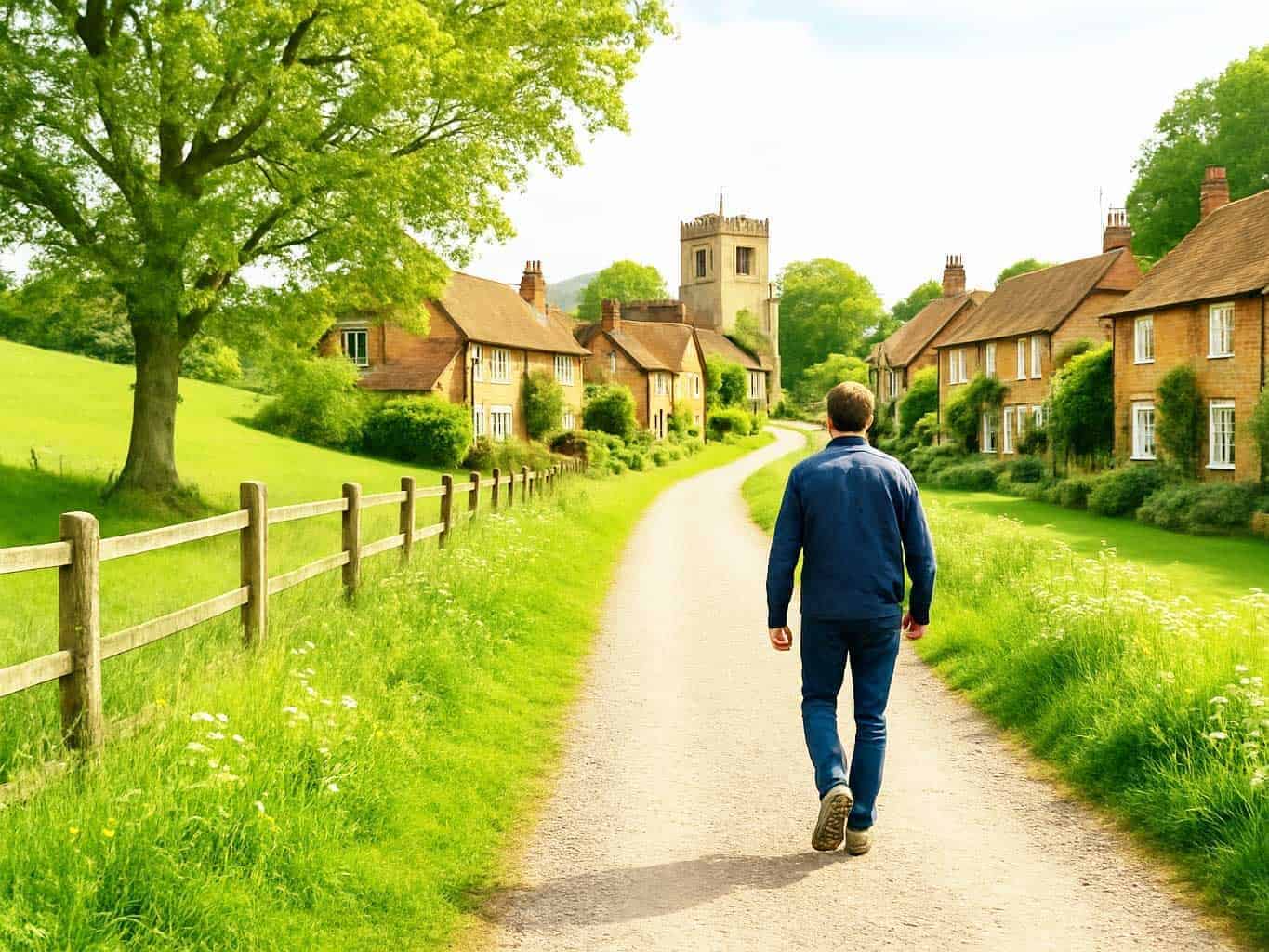
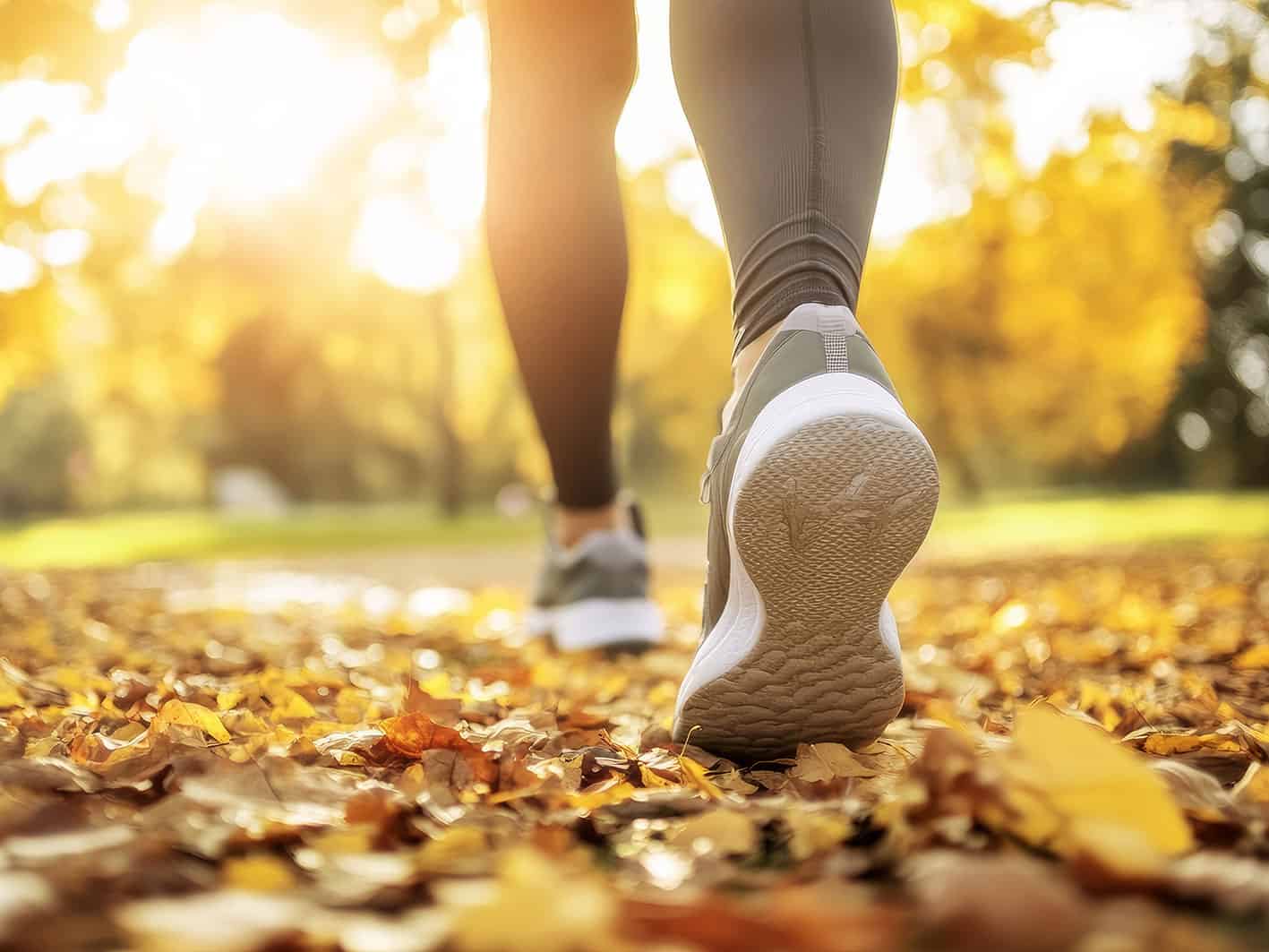
Walking is one of the simplest ways to stay active. Even a 20–30 minute walk can help you feel more energetic and provides an opportunity to get some daylight and fresh air.
If the weather is poor, look for ways to keep moving indoors. Housework, gardening, stretching, dancing or a short home workout all count.
Make the Most of Daylight
Shorter days can affect our mood and energy levels. Try to get outside during daylight whenever you can, particularly if you spend much of the day indoors.
A lunchtime walk or simply sitting outside with a cup of tea can provide a useful break from work, screens and household routines.
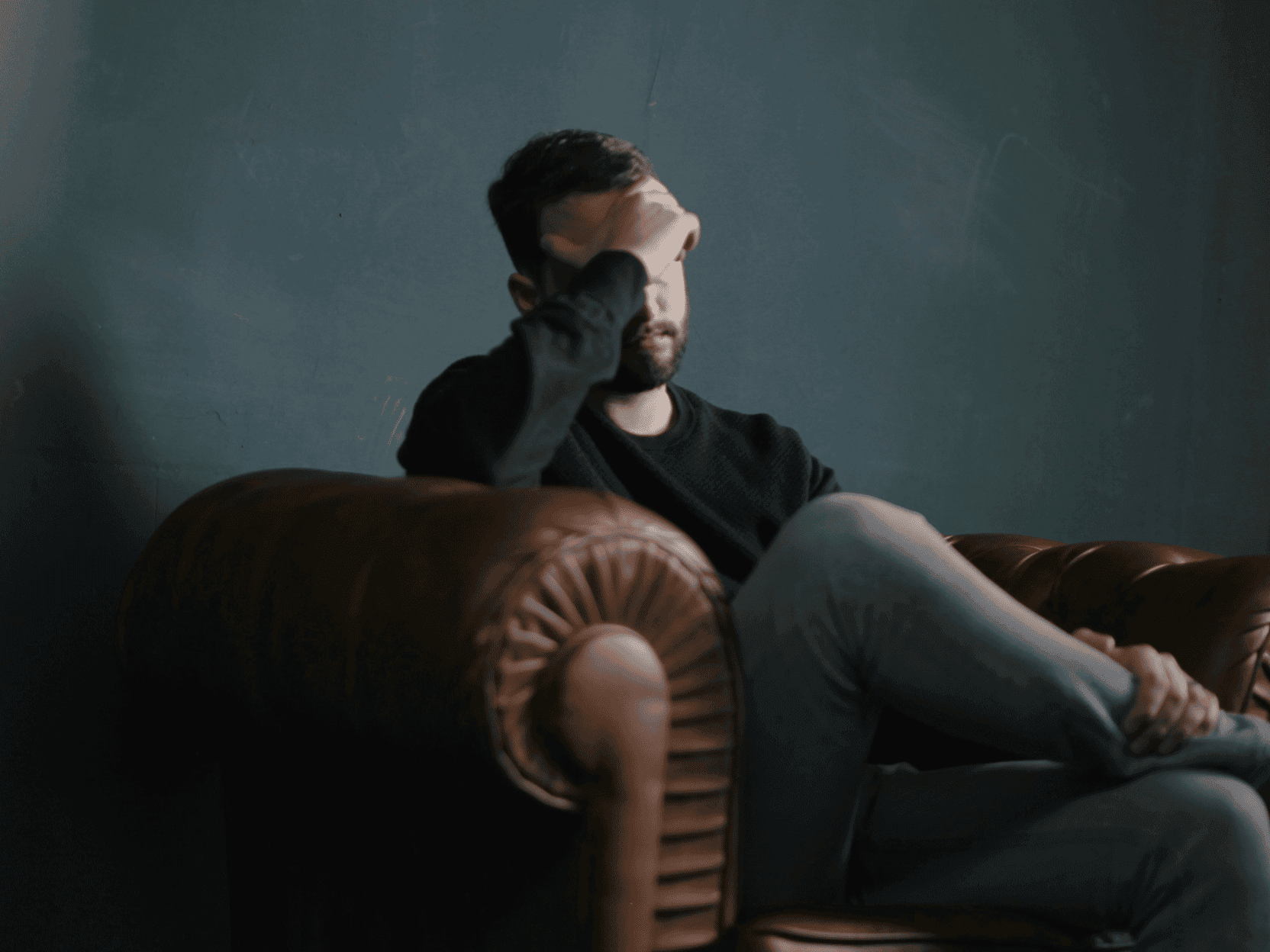
If you notice that you regularly feel low, unusually tired or lose interest in things you normally enjoy, don’t simply put it down to the weather. Speaking to your GP can be a good first step.
Eat for the Season
Autumn is a great time to enjoy plenty of vegetables, fruit, beans, wholegrains and other filling, nutritious foods.
Simple meals such as vegetable soup, jacket potatoes with beans, vegetable pasta or a homemade stew can be inexpensive, warming and easy to prepare.
Try not to rely too heavily on processed foods simply because the evenings are colder. A balanced diet can help support your energy levels and general health throughout the year.
Don’t Forget to Drink
It is easy to drink less water when the weather is cold because you may not feel as thirsty. However, staying hydrated remains important.
Water, milk and sugar-free drinks can all contribute to your daily fluid intake. Tea and coffee also count, although it is sensible not to rely entirely on caffeinated drinks.
Get Your Sleep Back on Track
Dark mornings and evenings can make autumn a good time to establish a regular sleep routine.
Try to go to bed and get up at roughly the same time each day. Avoid spending too much time on your phone or tablet immediately before bed, and keep your bedroom comfortable and suitable for sleeping.
Good sleep can help with concentration, mood, energy and your ability to cope with everyday stresses.
Be Prepared for Coughs and Colds
Autumn and winter often bring an increase in coughs, colds and other respiratory infections.
Simple habits such as washing your hands regularly, covering coughs and sneezes and staying away from others when you are unwell can help reduce the spread of infections.
It is also worth making sure you are up to date with any vaccinations you have been advised to have, particularly if you are in a group offered seasonal vaccinations by the NHS.
Look After Yourself in Colder Weather
Cold weather can be particularly difficult for older people and those with existing health problems.
Keep your home warm, dress appropriately when going outside and take extra care on wet or icy paths. If you are helping an older relative or neighbour, a quick check-in during particularly cold weather can be valuable.
Stay Connected
Health isn’t only about what we eat or how much exercise we get. Staying connected with other people can also make a big difference to our wellbeing.
Make time to meet friends, speak to family, join a local group or simply have a chat with a neighbour. Even small amounts of social contact can give your week structure and something to look forward to.
A Simple Autumn Health Checklist
This autumn, try to:
- Walk or exercise regularly.
- Get outside during daylight.
- Eat plenty of fruit and vegetables.
- Drink enough throughout the day.
- Keep a regular sleep routine.
- Take sensible precautions against seasonal illnesses.
- Keep your home warm.
- Make time for friends, family and your community.
- Speak to your GP if you notice persistent changes in your physical or mental health.
Autumn doesn’t have to mean slowing down. By making a few simple changes now, you can head into winter feeling healthier, more active and better prepared.